Introduction
Tubular structure solutions are becoming a preferred choice for industrial and infrastructure projects in 2026 due to their strength, cost efficiency, and adaptability. As businesses face increasing construction costs, tighter project schedules, and growing demands for scalable infrastructure, choosing the right structural system has become a critical investment decision.
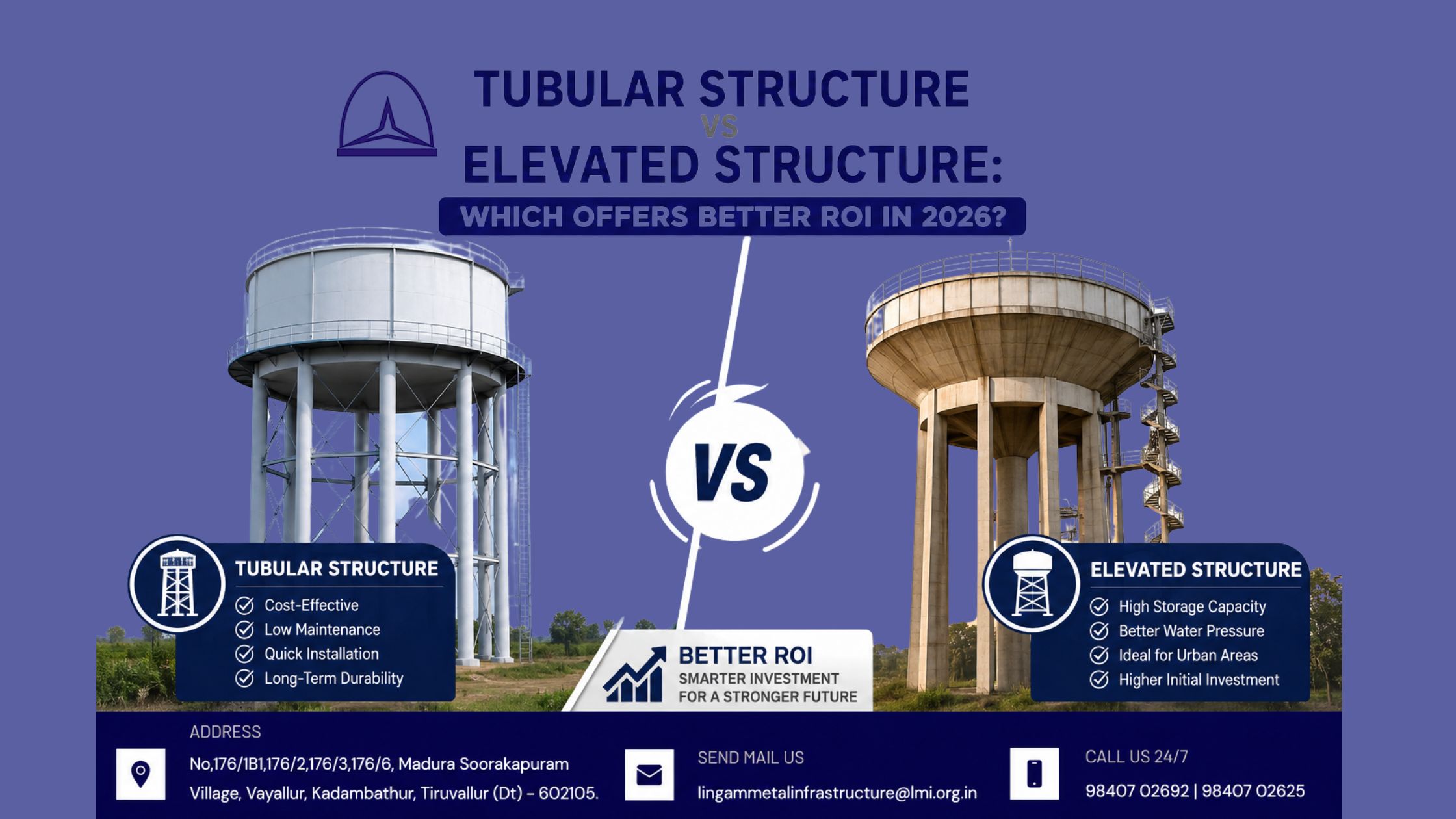
This guide compares these two structural systems across key ROI factors to help project owners, developers, and construction professionals make informed decisions.
The Importance of ROI in Steel Building Projects
The construction industry is evolving rapidly. Industrial facilities, warehouses, manufacturing units, logistics hubs, and infrastructure projects are under pressure to maximize value while minimizing lifecycle costs.
Several factors are influencing investment decisions:
i) Rising Construction Costs:
Steel prices, labor costs, transportation expenses, and project management overheads continue to impact construction budgets. Businesses increasingly seek structural solutions that deliver maximum performance with optimal material utilization.
ii) The Importance of Long-Term Infrastructure Value:
ROI is no longer measured solely by initial construction costs. Modern infrastructure investments are evaluated based on:
- Construction speed
- Maintenance requirements
- Durability
- Expansion flexibility
- Operational efficiency
- Sustainability
This is why selecting the right structural framework is essential for successful Industrial Steel Building Construction projects.
Understanding Tubular Structure
A tubular structure is a steel framework constructed using hollow steel sections such as circular, square, or rectangular tubes. These structures provide excellent strength-to-weight ratios, making them suitable for industrial, commercial, and infrastructure applications. The growing popularity of tubular construction is transforming how modern facilities are designed and built.
Key Features of Tubular and Steel Structures:
Some notable advantages include:
- High load-bearing capacity
- Reduced structural weight
- Superior torsional resistance
- Enhanced structural stability
- Lower material consumption
- Faster fabrication and installation
- Improved aesthetics
Because of these advantages, tubular and steel structures are increasingly used across industrial sectors requiring efficiency and durability.

Contact Us!
Applications of Tubular Steel Structure in Industrial Projects
A tubular steel structure is commonly used for:
- Industrial sheds
- Warehouses
- Manufacturing facilities
- Commercial complexes
- Logistics parks
- Stadiums
- Transportation terminals
The versatility of tubular steel construction in India makes it one of the fastest-growing structural solutions for industrial development.
Examples of Tubular Structure:
- Industrial warehouses in the Sriperumbudur–Oragadam manufacturing belt
- Factory buildings for automotive suppliers around Chennai
- Large logistics parks near Ennore and Chennai Port
Understanding Elevated Structure
An elevated structure is a steel-supported framework built above ground level to provide clearance, protection, accessibility, or operational functionality. These structures are commonly used in infrastructure projects where elevation is necessary to overcome environmental or operational challenges.
Key Features of Elevated and Steel Structures:
The primary benefits include:
- Protection from flooding
- Enhanced accessibility
- Improved safety
- Long-term durability
- Corrosion resistance
- Weather resistance
- Efficient land utilization
These characteristics make elevated and steel structures valuable assets in infrastructure and utility projects.
Common Applications of Elevated Structure Steel Construction
Typical applications include:
- Elevated water tanks
- Pedestrian bridges
- Telecom towers
- Utility platforms
- Flyover frameworks
- Industrial support structures
Many public and private infrastructure developments rely on elevated structure steel construction to meet operational and environmental requirements.
Examples of Tubular Structure:
- J. Anbazhagan Steel Flyover – TNagar Bridge
- Kathipaara Flyover
- TNagar Skywalk
Tubular Structure vs Elevated Structure: Key Factors That Impact ROI
| ROI Factor | Tubular Structure | Elevated Structure |
| Initial Investment | Lower material and transportation costs due to lightweight design | Higher costs due to additional supports and reinforced foundations |
| Fabrication & Installation | Faster fabrication, prefabrication-friendly, reduced labor requirements | More complex engineering and installation processes |
| Construction Speed | Quick assembly and shorter project timelines | Longer timelines due to site preparation and structural requirements |
| Structural Strength | High strength-to-weight ratio with excellent lateral stability | Designed for elevated loads and harsh environmental conditions |
| Maintenance Costs | Low maintenance with durable steel components | Low maintenance with galvanized and corrosion-resistant coatings |
| Space Utilization | Open-span design maximizes usable floor space | Optimizes vertical space for specific applications |
| Scalability | Easy to expand and modify for future growth | Expansion possible but requires specialized engineering |
| Sustainability | Efficient steel usage and reduced material consumption | Recyclable steel with long service life |
| Best Applications | Warehouses, factories, industrial sheds, logistics hubs | Water tanks, bridges, towers, utility and infrastructure projects |
| Overall ROI | Higher ROI for most industrial projects | Higher ROI for specialized infrastructure projects |
Comparison Table – Tubular Structure vs Elevated Structure
| Factor | Tubular Structure | Elevated Structure |
| Initial Cost | Lower | Higher |
| Material Efficiency | Excellent | Good |
| Construction Speed | Faster | Moderate |
| Labor Requirement | Lower | Higher |
| Maintenance Cost | Low | Low |
| Structural Strength | High | High |
| Expansion Flexibility | Excellent | Moderate |
| Space Utilization | Excellent | Project Specific |
| Sustainability | High | High |
| Overall ROI | Higher for Industrial Projects | Higher for Specialized Infrastructure |
Why Tubular Construction Is Revolutionizing Construction in India?
The rapid growth of industrial infrastructure is driving demand for efficient structural systems.
Advantages of Fabrication Tubular Steel Structure
Key advantages include:
- Reduced fabrication time
- Lower transportation costs
- Enhanced structural efficiency
- Faster project delivery
- Improved cost control
Benefits of Tubular Steel Construction in India:
The adoption of tubular steel construction in India is increasing because businesses seek structures that balance strength, speed, and affordability. Industries benefit from:
- Faster return on investment
- Reduced downtime
- Long-term durability
- Future-ready expansion capabilities
Industries That Gain Maximum ROI from Tubular Construction:
- Manufacturing
- Warehousing
- Logistics
- Automotive
- Engineering
- Commercial infrastructure
When Elevated Construction Becomes the Better Investment?
While tubular structures often provide better overall ROI, there are situations where elevated construction delivers greater value.
Projects That Require Elevated Steel Construction in India
Examples include:
- Water infrastructure
- Flood-prone developments
- Utility networks
- Transportation infrastructure
- Public works projects
Infrastructure Applications Where Elevated Structures Deliver Higher Value
The demand for elevated steel construction in India continues to grow because these structures address specific operational and environmental challenges.
Long-Term Benefits of Elevated Structure Investments:
- Improved resilience
- Enhanced safety
- Greater accessibility
- Long service life
- Reduced environmental risks
Which Structure Offers Better ROI in 2026?
Situations Where Tubular Structure Delivers Better Returns
Choose a tubular structure when your project prioritizes:
- Cost efficiency
- Rapid construction
- Industrial operations
- Future expansion
- Maximum floor space
Situations Where Elevated Structure Is the Smarter Choice
Choose an elevated structure when your project requires:
- Elevated access
- Flood protection
- Utility support
- Infrastructure functionality
Final ROI Comparison for Industrial Developers
For most industrial, warehouse, manufacturing, and commercial developments, tubular structures provide superior ROI through lower costs, faster execution, reduced maintenance, and greater scalability. However, elevated structures remain the preferred investment for specialized infrastructure projects where elevation itself creates operational value.
Final Words
As industries continue to prioritize cost efficiency, durability, and scalable infrastructure in 2026, selecting the right structural solution is essential for maximizing long-term returns. While tubular structures offer exceptional ROI for industrial buildings, warehouses, and manufacturing facilities through faster construction and lower lifecycle costs, elevated structures provide unmatched value for specialized infrastructure applications requiring elevation and enhanced accessibility.
At Lingam Metals, we deliver expertly engineered tubular and elevated steel structures tailored to diverse project requirements, helping businesses achieve reliable performance, operational efficiency, and sustainable growth through high-quality steel construction solutions.
“Contact Lingam Metals today to discuss your next industrial or infrastructure project with our steel construction experts.”
Frequently Asked Questions:
1) Is a tubular structure more cost-effective than an elevated structure?
Yes. In most industrial applications, tubular structures offer lower material, fabrication, transportation, and installation costs, resulting in better ROI.
2) Where are tubular steel structures commonly used?
They are widely used in warehouses, factories, logistics parks, industrial sheds, commercial buildings, and transportation infrastructure.
3) What industries benefit most from elevated structure steel construction?
Infrastructure, utilities, transportation, telecommunications, and water management sectors benefit significantly from elevated structures.
4) How do maintenance costs compare between tubular and elevated structures?
Both require relatively low maintenance, but tubular structures often have a slight advantage due to reduced exposed surface areas.
5) Which structure offers better ROI for industrial expansion projects in 2026?
Tubular structures generally provide better ROI because they support faster construction, lower costs, and easier future expansion.